Quick answer
Soft natural window light, ideally from a large north- or east-facing window on an overcast day, is the best light for newborn photos and films. Avoid direct sun, overhead ceiling lights, mixed colour temperatures and direct flash.
Natural window light, diffusion panels, and the gentle art of positioning, we share what we have learned from thousands of newborn sessions to create images and films that feel warm and timeless.
Light is the most important variable in any photograph or film. In newborn photography and videography, it is everything. A newborn's skin is impossibly delicate, translucent, rosy, and full of fine texture. Harsh light destroys that texture. Flat light erases it. Only the right quality of light renders a newborn's skin with the warmth and softness these images deserve.
Why We Prefer Natural Window Light
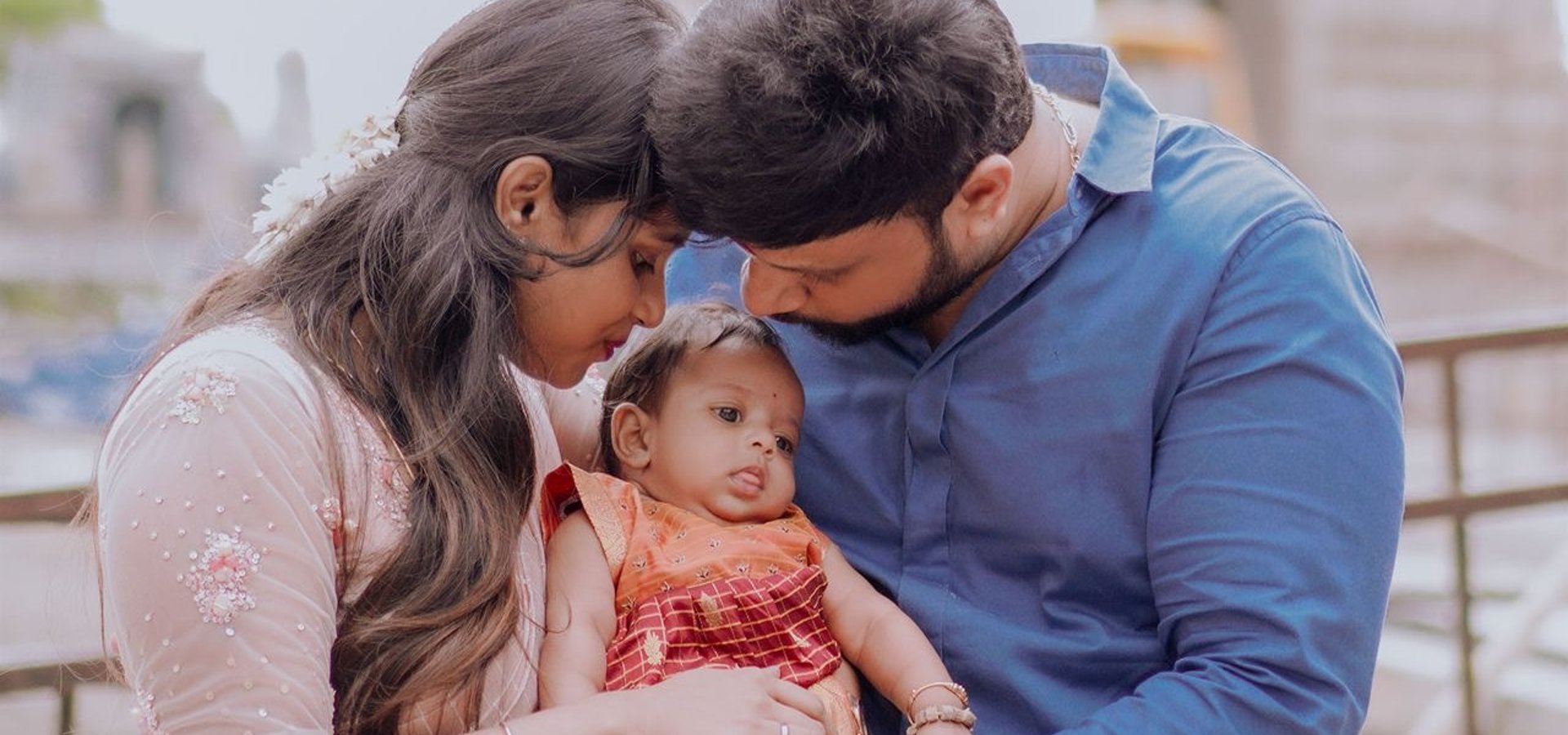
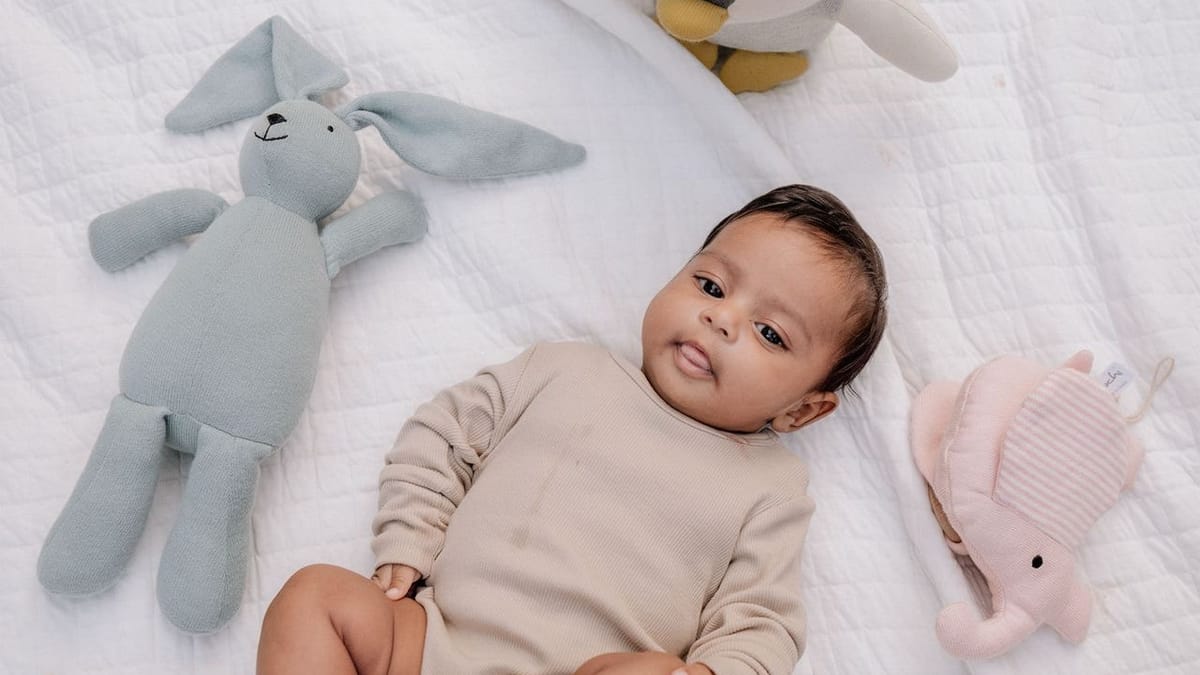
Our first choice is always a large north-facing or east-facing window on an overcast day. The soft, indirect light that comes through on a cloudy morning wraps around a baby's face with a three-dimensional quality that no strobe can perfectly replicate. It is directional enough to create gentle shadow depth, but soft enough to keep the skin looking luminous.
We position the baby so the light falls at roughly 45 degrees across the face. This creates a subtle shadow on the far cheek that gives shape and dimension without drama. For close-up detail shots, curled fingers, tiny toes, the curve of a sleeping ear, we move closer to the window to maximise the soft directional quality.
Diffusion: Making Any Light Workable
When the session cannot be scheduled around ideal natural light, on bright afternoons, or in venues with harsh direct sunlight, we use large diffusion panels placed between the window and the baby. A 5-foot scrim drops a harsh beam of midday sun into the same quality of soft wrap-around light we get from a cloudy morning. The baby never knows the difference. The photograph always shows it.
“The best newborn light is the kind that makes the baby look like they are glowing from within, not lit from outside.”
- Ashokarsh
Colour Temperature and Skin Tones
Indian skin tones have a warm undertone that responds beautifully to slightly warm light, around 5000–5500K. We avoid cool, blue-biased light sources that flatten the warmth out of the skin. If we are working with studio lights, we gel them slightly warm and always shoot a custom white balance rather than relying on camera presets.
What to Avoid
- Direct sunlight falling on the baby, creates harsh shadows and discomfort
- Overhead ceiling lights as the primary source, flatten facial features
- Mixed colour temperatures, a warm lamp and a cool window together create unnatural skin tones
- Flash pointed directly at the baby, even with a diffuser, direct flash lacks the dimensional quality of window light
The technical choices around light are ultimately in service of one goal: to create an image or film the family will look at twenty years from now and feel exactly what they felt in that room. Light is how we make that happen.
Ready to book your baby or maternity session? Explore our Tiny Tales packages or message us on WhatsApp.